


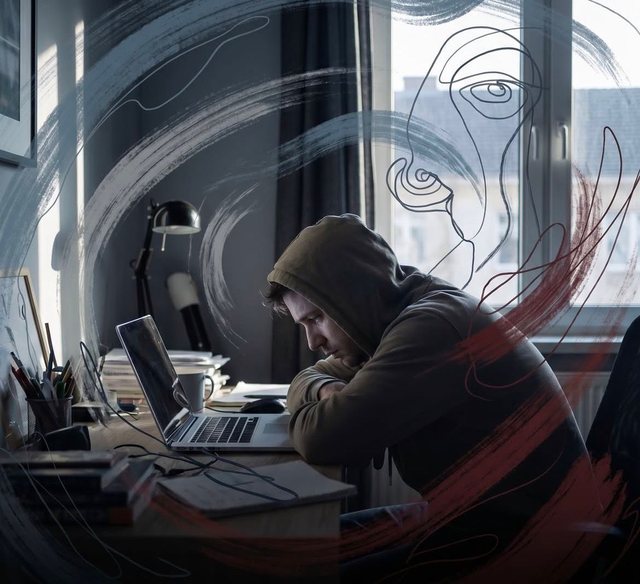
A new study has raised concerns about the impact of remote work on mental health, showing that working from home has increased social isolation and emotional problems for millions of employees in the United States.
The study, published in the journal Science and based on data from more than 580,000 employees, reveals that people who work remotely spend an average of one hour more alone each day compared to those who work in the office.
One of the study's authors, researcher Emma Harrington, was inspired by her own personal experience during the pandemic. As a Harvard doctoral student living alone, she noticed that, while she was more productive at home, the constant isolation had strong social and emotional consequences.
According to the findings, remote work is associated with increased mental distress, more frequent use of psychological therapy, and higher consumption of antidepressants. The most affected are people who live alone, who are 83% more likely to spend entire days without any human contact.
As remote and hybrid work models become a permanent part of professional life, experts emphasize that companies must take measures to combat social isolation and maintain human connections between employees.


