

Lea Ypi on the protests in Albania: It could be a light for Europe
Slogani ‘Shqipëria nuk është për shitje’ zbulon një komb që respekton veten dhe nuk do ta shesë shpirtin e tij për investime.

2026-06-08 13:53:16
TiranaPost
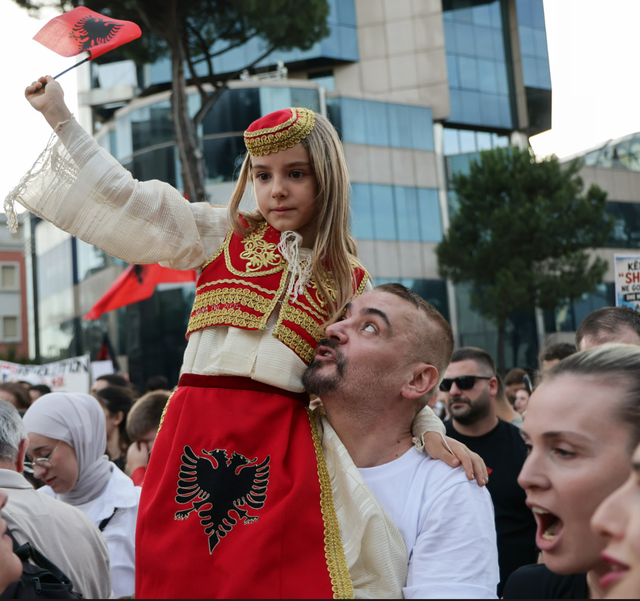
Lea Ypi sees the wave of protests in Albania as a significant development not only for the country, but also for Europe. According to her, the mobilization of young people against the capture of the state by oligarchic interests and in defense of the environment shows that there is an alternative to traditional models of politics. In her article, Ypi argues that this civic movement can serve as an inspiring example for European countries facing similar democratic challenges.
By Lea Ypi/
“That’s how we found it. We swam to the island, climbed barefoot to the top, and were amazed. And over the years, we created the opportunity to help realize its potential.”
If the woman expressing her desire to improve a foreign island had stepped off a smugglers’ boat, her dream would have been dashed to one of those migrant detention centers that the Albanian government has recently built in conjunction with Italy. But the boat in question was a multimillion-dollar yacht, and the woman climbing barefoot to the top was Ivanka Trump. Realizing the dream required simply a call from the country’s prime minister, Edi Rama, and the commitment of her husband, Jared Kushner, and one of his companies, to turn a protected wildlife area into luxury real estate.
The Albanian government insists that no deal has been struck. But it has not hidden its enthusiasm. Who can blame it? After decades of transition from communism to capitalism and protracted negotiations for membership in the European Union, Albania has lost more than 1.2 million citizens to emigration. It has low levels of production, an agricultural sector in dire need of modernization, and a higher education sector in crisis since the privatization of universities in the 1990s. Without industrial, financial, or human capital to offer on the global market, the only thing left to sell is nature. Even tourism, which has been on the rise recently, has required a coordinated government campaign to improve the country’s image.
Sustainable development and environmental protection are easy to demand, but costly and difficult to achieve. Under competitive globalization, real estate and luxury tourism generate faster growth, even as they increase inequality and deplete natural resources. The models on offer are those that the richest countries tried 30 years ago and now regret.
Shqiptarët e dinë se spekulimi me pasuritë e paluajtshme pa mbështetjen e shtetit do të thotë që qytetarët e zakonshëm do ta kenë të vështirë të blejnë një apartament ose të paguajnë qiranë. Ata e dinë se turizmi luksoz do të thotë që pushimet në vendin tënd bëhen privilegj për pak njerëz. Pa sindikata për të cilat mund të flitet seriozisht dhe me një lëvizje punëtore që shfaqet vetëm në pamjet e paradave të 1 Majit nga epoka komuniste, kushtet e punës janë aq shfrytëzuese sa vetëm ata që vijnë nga vende edhe më të dëshpëruara janë të gatshëm të marrin vendet e punës që krijohen. Shqiptarët thjesht mbledhin gjërat e tyre dhe largohen drejt vendeve të tjera, ku përballen me abuzim dhe ksenofobi. Ata e mbajnë kokën ulur, duke e ditur se ky është çmimi që duhet paguar për një të ardhme më të mirë për fëmijët e tyre.
Në maj të vitit 2025, Partia Socialiste në pushtet fitoi zgjedhjet për herë të katërt. Me rreth 44%, pjesëmarrja në votime ishte historikisht e ulët, pavarësisht se për herë të parë vota iu zgjerua edhe shqiptarëve të diasporës. Nuk pati manifest zgjedhor, nuk pati debat parimor me opozitën (udhëheqësi i së cilës, Sali Berisha, paraqitej kryesisht si buf në rrjetet sociale të qeverisë). Në një vend ku më shumë se 90% e qytetarëve mbështesin integrimin evropian, mjaftonte të mbusheshin billboard-et me fotografi pasaportash evropiane dhe të përsëritej vazhdimisht një datë: anëtarësimi deri në vitin 2030.
Kjo është ana tjetër e integrimit evropian: kritika ndaj qeverisë shndërrohet në kundërshtim ndaj vetë Evropës. Nuk ka zgjedhje midis vizioneve konkurruese të shoqërisë, por vetëm midis menaxherëve të ndryshëm të së njëjtës rrugë të pashmangshme. Me politikën e reduktuar në qeverisje teknokratike, e vetmja mënyrë për të lexuar konfliktin politik është përmes “korrupsionit”: sikur shoqëritë postkomuniste ta kishin atë në gjak dhe sikur problemi të ishin shkeljet individuale e jo vetë rregullat.
Për shumë vite shqiptarët e pranuan këtë me të njëjtin fatalizëm me të cilin pranohet një fatkeqësi natyrore. Tani, të rinjtë po kundërshtojnë. Protestat aktuale lidhen me një ligj të fundit për investimet strategjike, i cili forcon kapjen oligarkike të shtetit. Situata u përshkallëzua kur makineri të rënda hynë në një ligatinë bregdetare të mbrojtur dhe një video virale tregoi roje private sigurie duke rrahur një protestues ndërsa policia shtetërore qëndronte dhe shikonte.
Një brez i mësuar të mendojë se pyetjet e vetme janë sa shpejt duhet të ndërtohet infrastruktura për turizmin, sa shpejt duhet të integrohemi në BE dhe sa me efikasitet duhet të tërheqim investime, tani pyet: a duhet të jetë vërtet kështu? A duhet që demokracia të jetë sundimi i një grushti super të pasurish?
This is an inspiring example of civic activism that I haven’t seen since the fall of communism, and its international visibility has undoubtedly been helped by the media attention to the Trump family. But why now? The opposition has tried in vain for years to mobilize the public against, well, “corruption.” Fires have been lit in parliament and Molotov cocktails have been thrown at government buildings. But in Kushner’s case, the opposition is in agreement with the government. Perhaps this is what enabled thousands of young people to take to the streets: the certainty that their disobedience will not be appropriated by anyone. It is touching to see them singing, dancing, cleaning the streets after the protests and giving flowers to the police. Unlike the old opposition, they are not giving up on the state, but insisting that it belongs to them.
In recent years, the response to political exclusion in post-communist Europe has been the rise of xenophobic movements. Only the far right has benefited from the protests against the system. The Albanian case proves that another kind of mobilization is possible. Far from regressive nationalism or nostalgia, the movement’s single cry, “Albania is not for sale,” reflects something that the socialist government has forgotten: that self-respect is the precondition for being respected by others, and that a people willing to sell their souls for investment will discover, in the end, that their souls were the only valuable thing they had.
There is something both admirable and fragile about a movement without a leader, without a program, and without the infrastructure to sustain it over the long term. Leaderless movements are harder to assimilate, but easier to infiltrate and disperse. To be effective, they must move from resistance to proposal, finding the political unity that has been suppressed by concentration around a single cause.
Yet as long as democratic politics remains captured by the wealthy few, politicians come and go, corruption trials satisfy the desire to punish, and civic activism creates the illusion of change. One after another, societies face the same paradoxes of capitalist development. The challenge is not just how to replace individuals, but how to build a new system.
However, for once, Albania does not need to catch up with Europe, it can lead. A generation willing to mobilize for an alternative development model, one that rejects oligarchic capture and links environmental protection with democratic legitimacy, should not be feared, but celebrated. Instead of becoming “like the rest of Europe,” as the old slogan went, Albania can teach the old continent a lesson in self-respect.


